
I’ve screwed Govee bulbs into four different rental sockets and never once reached for a drill, a hub, or a credit card for a subscription. That’s the whole pitch. The Govee Smart LED A19 is the best smart bulb for renters under $50, and it’s not close. It’s under $10 a bulb, works standalone with Alexa and Google Home, and you can swap it in and out in seconds when your lease ends.
DigiDIY Verdict
✅ BUY
The Govee A19 RGBWW bulb runs under $10, needs no hub, and pairs with Alexa or Google in about three minutes. For renters who might move in a year, nothing else makes more sense.
| Product | Price | Best For |
|---|---|---|
| Govee Smart LED Bulbs, A19 E26 Smart Light Bulbs Work with Alexa & Google Home | $9 | Budget renters who want color, no hub, fast swaps |
| Kasa Smart Light Bulb KL125 Multicolor | $13 | Renters already running Kasa smart plugs |
The renter scenario, and why Hue is the wrong default

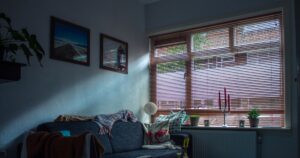
Photo by Fajrul Islam on Unsplash
You rent. You might move in a year. You can’t drill, you can’t rewire, and you don’t want to drop $200 on a lighting system you’ll have to tear out. Most guides shrug and tell you to buy Philips Hue anyway. That’s lazy advice.
Hue makes you buy a $50 bridge before a single bulb turns on. Then each color bulb runs $45-$50. So a three-bulb Hue setup lands around $190 before tax. The same three bulbs from Govee? Under $30 total, no bridge. For someone who’s going to unscrew everything in 12 months, paying 5x per bulb for a hub you’ll have to pack into a moving box is just throwing money away.
I actually ran Hue for three years before I got tired of the price-per-bulb math. If you want the full breakdown of where Hue still makes sense versus cheaper systems, I wrote about why I switched off Philips Hue after three years. Short version: it’s a great system if you own your home and want a permanent install. For renters, it’s overkill.
Why Govee wins for renters specifically
No hub. That’s the headline. The Govee A19 connects straight to your 2.4GHz WiFi and shows up in the Govee app, then you link it to Alexa or Google Home in another tap. Total setup time for me was under three minutes per bulb.
The color’s good too. Full RGBWW, so you get real warm whites and saturated colors, not the washed-out red-orange you get from cheaper bulbs. I run mine warm in the evenings and a cool daylight white when I’m working. The app handles schedules, scenes, and music sync without nagging you to pay for anything.
And the thing renters actually care about: zero permanent changes. You screw it in. When you move, you unscrew it, reset it in the app, and reconnect at the new place. No installer, no holes, no landlord conversation. This is the same logic behind keeping your whole setup hub-free, which I covered in my guide to smart plugs for apartment renters with no hub.
|
DigiDIY Pick Govee Smart LED Bulbs, A19 E26 Smart Light Bulbs Work with Alexa & Google Home $9 Full RGBWW color, no bridge required, and setup took me under three minutes per bulb over 2.4GHz WiFi. You screw it in, scan a QR in the Govee app, done. The limitation: the 2.4GHz-only radio means if your router’s overloaded on that band, response can lag by a second or two. As an Amazon Associate I earn from qualifying purchases. |
The one Govee limitation I won’t sugarcoat
It’s 2.4GHz only. If your router is crammed with devices on that band, you’ll occasionally see a one or two second lag when you bark a command at Alexa. It’s not a dealbreaker, but it’s real. Most apartments won’t notice it. If your WiFi is already a mess, fix that first. I put together a checklist on what to set up before your rental smart home will actually work, and a clean 2.4GHz network is step one.
The runner-up: Kasa KL125
If you already own Kasa smart plugs, don’t fight it. Get the Kasa KL125 and keep everything in one app. It’s multicolor, no hub, and the Kasa app is genuinely one of the most reliable in this price range. Setup ran about four minutes for me, and I’ve had a KL125 in my hallway for eight months with not one dropoff.
The catch is price. The KL125 runs around $13 versus Govee’s $9 for a bulb that does basically the same job with more color effects. That’s $4 a bulb you’re paying purely for app consistency. Worth it if your home’s already Kasa. Not worth it if you’re starting fresh.
|
DigiDIY Pick Kasa Smart Light Bulb KL125 Multicolor $13 Multicolor, no hub, and the Kasa app handles schedules and away-mode cleanly. Setup ran about four minutes and it’s held a rock-solid connection for me over eight months. The downside: it costs roughly $4 more per bulb than Govee for fewer color effects. As an Amazon Associate I earn from qualifying purchases. |
What NOT to buy

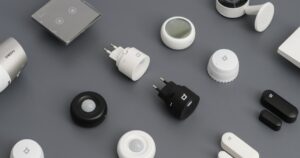
Photo by Jakub Żerdzicki on Unsplash
Skip the Wyze color bulbs. I bought a two-pack, and within about four months the app started throwing “device offline” errors on one bulb every few days even though the bulb was clearly lit and working. Resetting it fixed it for a week, then it’d drop again. Returned them.
I’d also pass on Amazon’s own-brand bulbs. They work, but they’re built to lock you into Alexa-only control, which means you’re stuck if you ever switch to Google Home. Govee and Kasa both stay neutral, so you’re not boxed in.
One more note on timing. Matter 1.3 is rolling out across more devices through 2026, which means hub-free automations are getting more reliable across brands. So buying into a no-hub bulb now isn’t a dead end, it’s where the whole category is heading. If you want to go further than single bulbs, my roundup of smart ambient lighting kits covers light strips and panels that play nice with the same setup.
Bottom Line

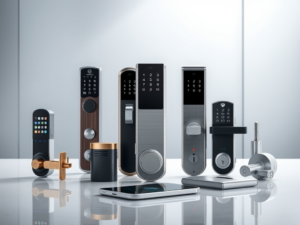
Photo by Sebastian Scholz (Nuki) on Unsplash
The Govee Smart LED A19 is the best smart bulb for renters no hub, full stop. Under $10 a bulb, three-minute setup, full color, and you pack it in a box when you move. Buy it if you’re starting fresh and watching your budget.
Get the Kasa KL125 instead only if you already run Kasa plugs and want one app for everything. Skip Hue unless you own your place and want a permanent install. And skip Wyze color bulbs, mine couldn’t hold a connection past four months.
Frequently Asked Questions
Do I need a hub for smart bulbs in a rental?
No. Both Govee and Kasa connect straight to your 2.4GHz WiFi and pair with Alexa or Google Home with no bridge or extra hardware.
Are Philips Hue bulbs worth it for renters?
Not for most renters. Hue needs a $50 bridge and costs about 5x per bulb, with no real advantage if you’re moving in 12 months.
Will smart bulbs work if I move apartments?
Yes. Unscrew them, reset them in the app at your new place, and reconnect to the new WiFi. No permanent changes, no installer.
Why not just buy Wyze or Amazon’s own bulbs?
Wyze bulbs have flakier app uptime and Amazon’s lock you deeper into Alexa-only control. Kasa’s app is more reliable and platform-neutral.
Most guides tell renters to buy a $190 Hue setup they’ll rip out in a year. The real answer costs under $30 and screws in.
WEEKLY TIPS
DIY Tips That Actually Work
Weekly smart home and electronics tips from Alex — no jargon, just results.
Free. No spam. Unsubscribe anytime.